
How we make them
The Orfeus platform: animal-free growth factors from barley
ORF Genetics uses a proprietary barley-seed expression system to produce recombinant proteins without animal inputs, bacterial endotoxins, or bioreactor CAPEX. This page explains how the platform works.
Growth factors: why purity and consistency are non-negotiable
Growth factors are endogenous signalling proteins that regulate cell growth, proliferation, differentiation, and tissue homeostasis. In stem cell research, regenerative medicine, and cultivated meat production, they are a core input - not an optional additive.
Because growth factors work by binding to membrane receptors and triggering intracellular signalling cascades, even small lot-to-lot variations in bioactivity or purity propagate through an experiment or a production batch. A contaminated or inconsistent lot does not just waste reagent cost; it invalidates results and forces re-validation.
The Orfeus platform
From gene design to purified protein, without animal inputs
ORFEUS is ORF Genetics' proprietary barley-seed expression system. The full pipeline, from gene synthesis to a premium barley line ready for production, is run in-house.
Seed-specific expression in barley grain
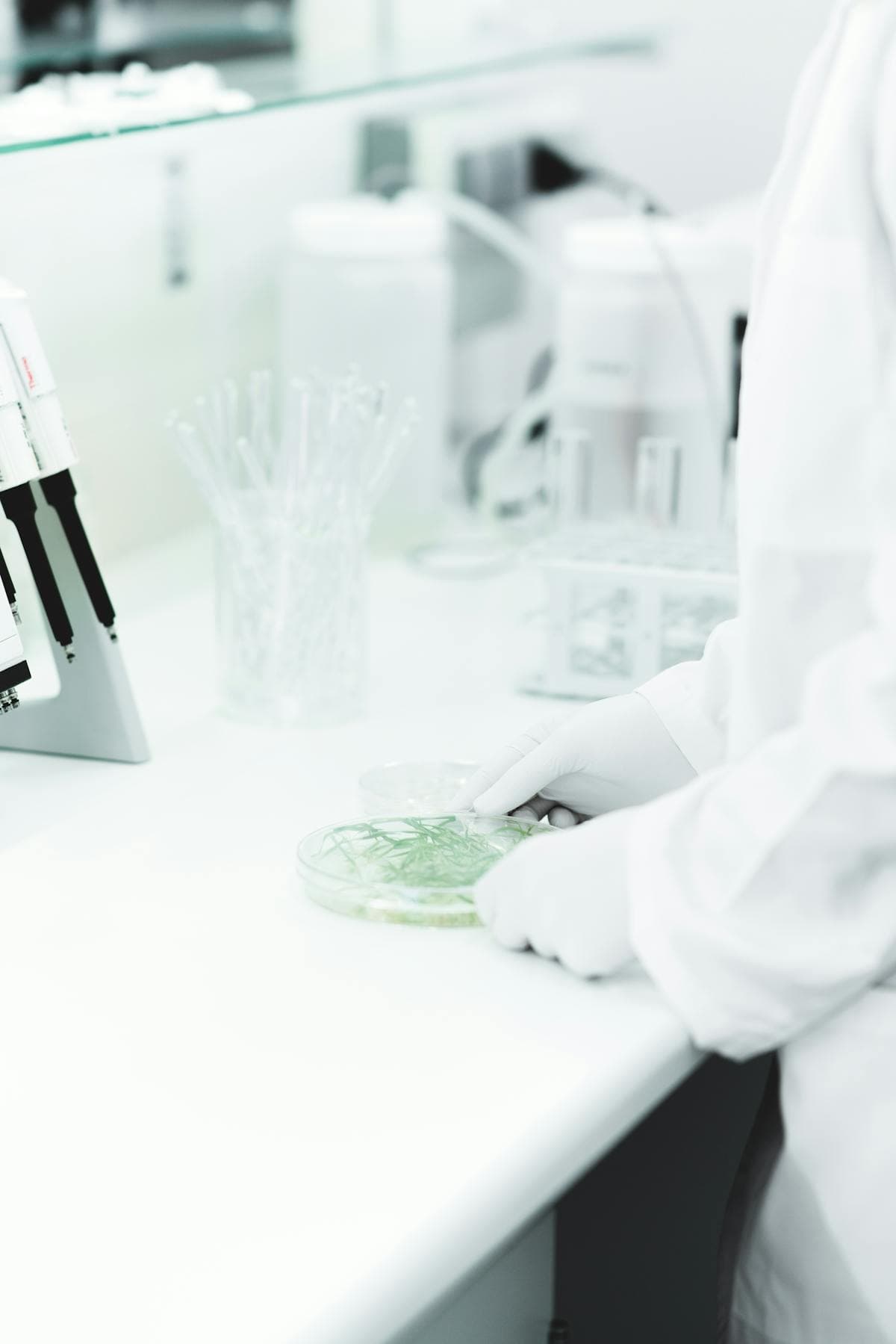
The target protein's genetic code is identified, codon-optimised, and synthesised by a certified CRO. ORF clones the gene into GrainVec, its proprietary expression vector optimised for strong, seed-specific protein production. Agrobacterium-mediated transformation introduces the expression cassette into immature barley embryos. The embryos undergo tissue culture on selective media, developing into robust transgenic plantlets. The highest-expressing barley lines are selected by measuring target-protein levels in seed extract using specific antibodies. Only the premium lines proceed to production.
No bacteria. No animal inputs. No endotoxins.
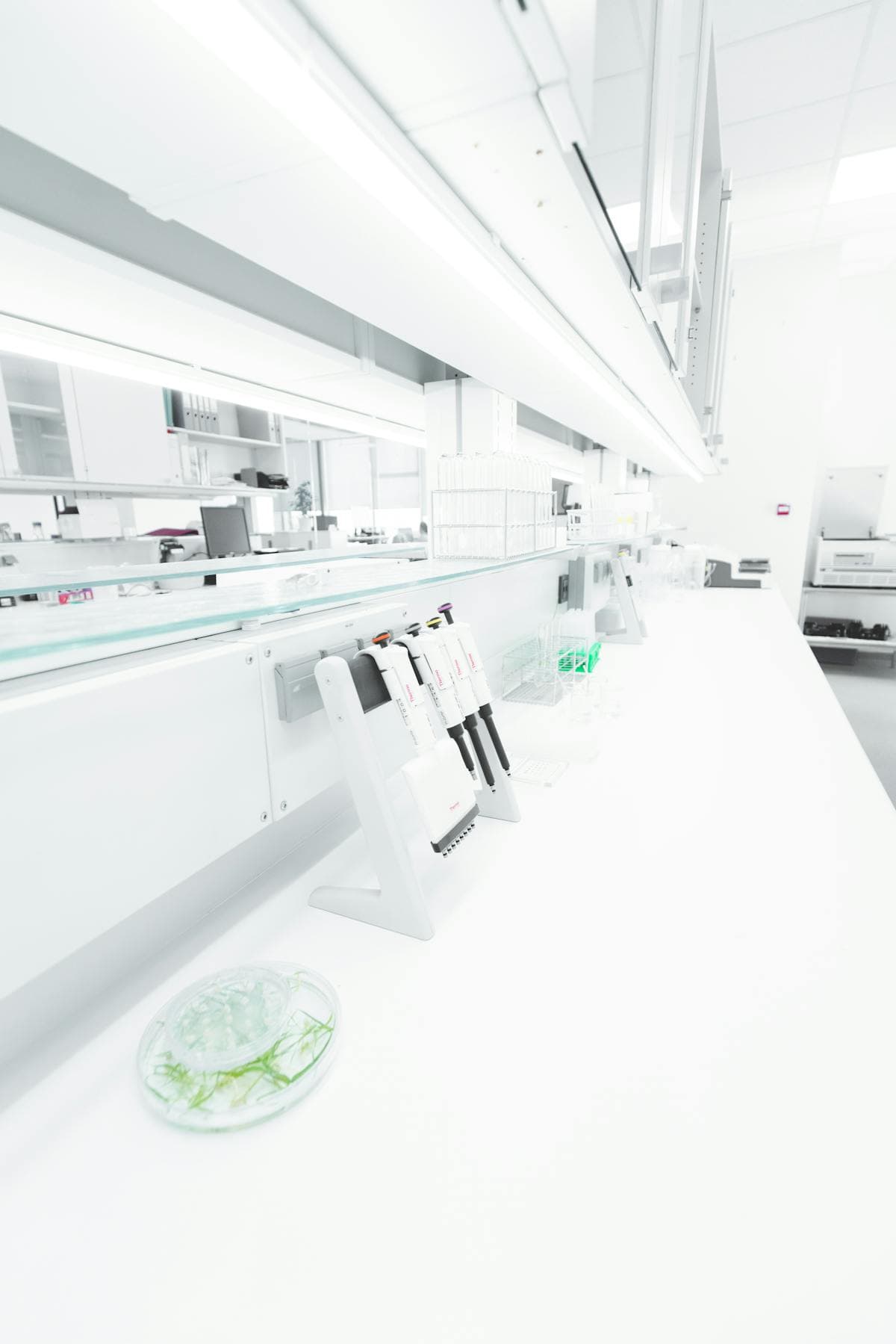
E. coli is the most common expression system for recombinant proteins - and a persistent source of endotoxin contamination. Endotoxin (lipopolysaccharide, LPS) is continuously shed by gram-negative bacteria during normal growth. Even at levels currently accepted in commercially available growth factors (1 EU/µg), endotoxin contamination causes measurable effects on cell cultures. Lot-to-lot fluctuations in endotoxin levels produce varying and unpredictable results. ORF bypasses this entirely. The barley plant does not produce endotoxins, and ORF's process uses no animal or human cells. The result is endotoxin-free, animal-free growth factors with increased precision, reproducibility, and a cleaner transfer from pre-clinical to clinical workflows.

Downstream processing optimised for yield and purity
After harvest, the seeds are cleaned, sorted, dehulled, and milled to an optimised particle size before liquid-phase protein extraction. Rather than centrifugation (which is difficult to scale without increasing cost), ORF uses a proprietary filtration technology to separate solids from the protein extract. The clarified extract is then processed through high-volume affinity chambers that separate the recombinant protein from native barley proteins. Each batch concludes with biological and biochemical quality-control measurements before fill and finish.
Why barley
Barley grain as a production platform
Barley is not an arbitrary choice. It has properties that make it uniquely suited to large-scale production of bioactive recombinant proteins.
High protein yield
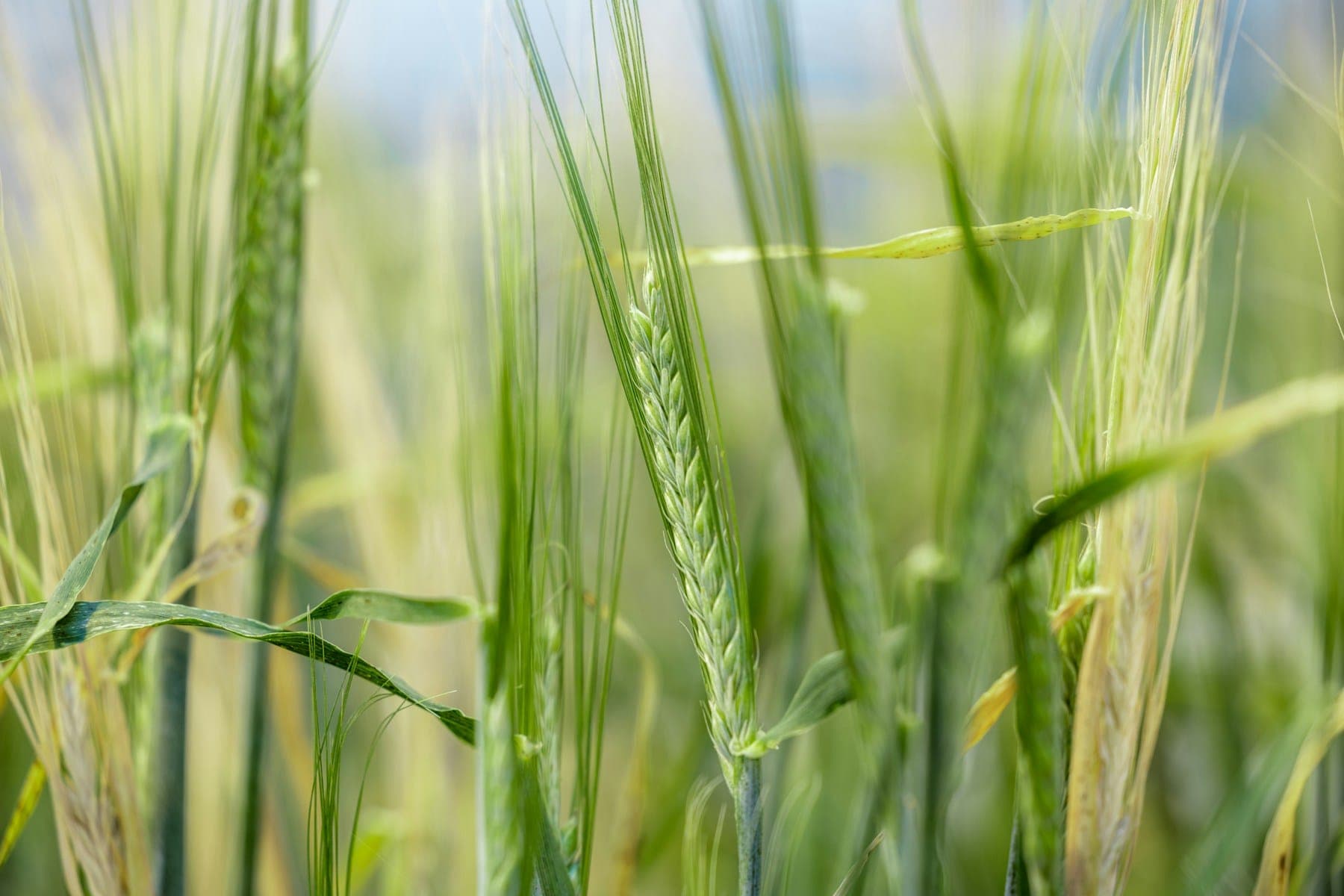
The barley seed has strong native protein machinery that can be redirected to produce recombinant proteins at high yield. Stockpiling is straightforward: the seed provides long-term, stable protein storage.
Scalable without bioreactors
Scale-up requires only conventional agricultural sowing, cultivation, and harvesting. No CAPEX-intensive bioreactor infrastructure.
Biological containment
Barley is a self-pollinating plant. Gene dispersal between plants is limited by nature, securing genetic containment in cultivation.
GRAS status
Barley is an important food plant, generally recognised as safe. It does not contain secondary metabolites or mammalian-derived pathogens.
Agricultural plasticity
Unlike rice, corn, or soybean, barley grows under variable conditions including challenging climates and poor soil. This limits competition for food-production land.
Endotoxin-free host
The barley plant does not produce endotoxins. Recombinant proteins produced in the seed are inherently free of bacterial LPS contamination.
Greenhouse and in-field cultivation, powered by geothermal energy
ORF uses both greenhouse and in-field cultivation for safe, fast scale-up of recombinant protein.
For R&D and small scale cultivation, ORF operates greenhouses in the heart of Iceland's horticultural belt: two in Laugarás and one in Hveragerði. Here we benefit from what has made South Iceland a centre of Icelandic horticulture - geothermal heat for warmth and renewable electricity.
For large-volume production, in-field cultivation is both economical and practical. Barley's agricultural plasticity - its ability to grow in desertic and cool temperate conditions alike - means cultivation can move to otherwise challenging sites, reducing competition for food-production land. This flexibility is what makes the Orfeus platform genuinely scalable without locking supply to a single geography.
Get started
Ready to evaluate our growth factors in your workflow?
Talk to our scientists about your application, species, or scale requirements, or request a quote. Datasheets and certificates of analysis available on request.