
ORFEUS expression system
Why barley
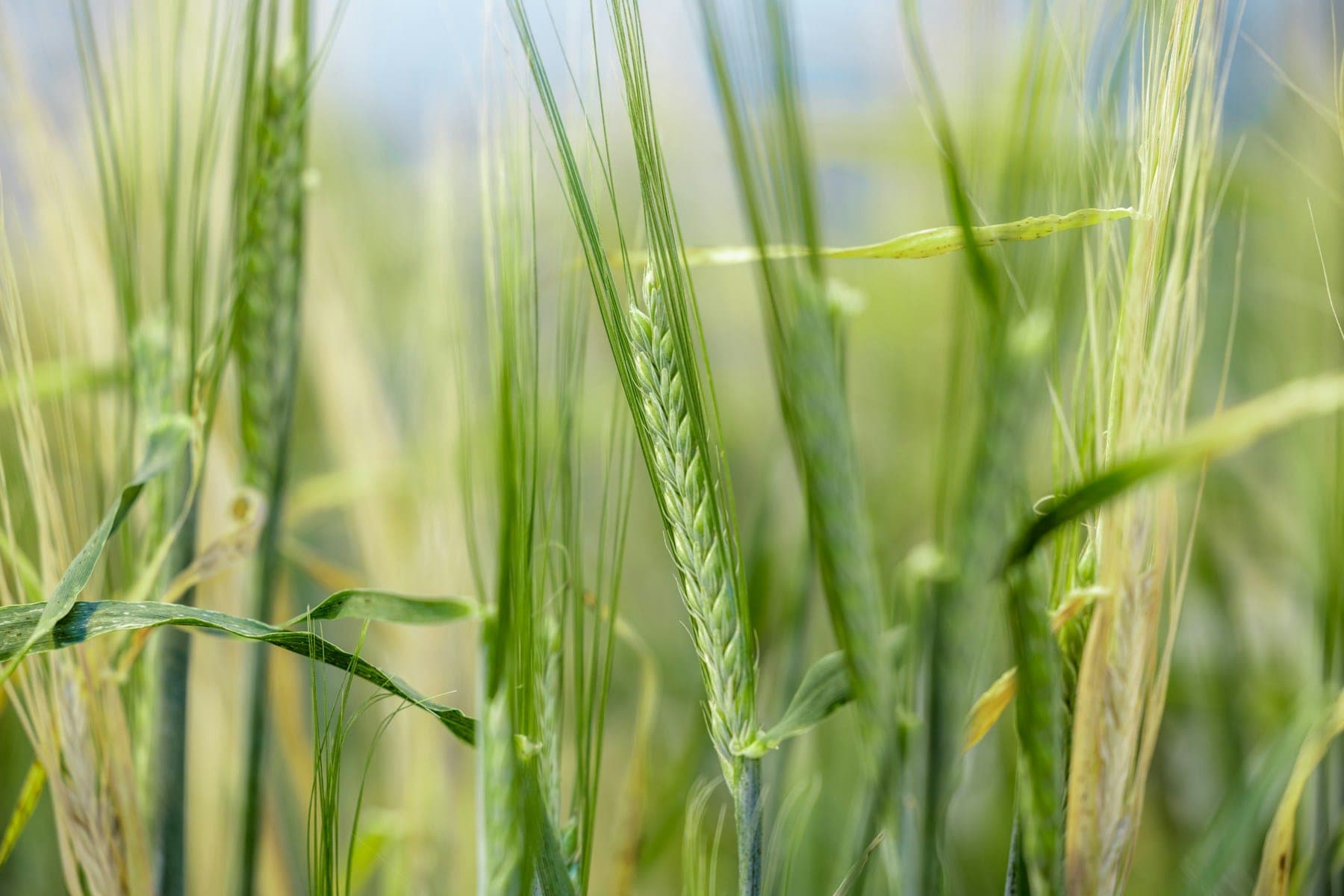
Every recombinant protein has to be grown in something. We grow ours in barley grain. The reasons are structural - properties of the host itself, not process choices a competitor can adopt.
Why barley wins
Three advantages no competitor can buy
Cost, capital and process can all be bought. These three follow from the biology of a cereal seed, which is why they hold whatever a competitor spends.
Capacity grows by planting, not by building
A fermentation platform expands by adding steel, cleanrooms and capital. Ours expands by sowing more hectares. A competitor can move down their own cost curve - they cannot move onto ours. Barley leads on all four cost-at-scale parameters.
Nothing mammalian can hide in a seed
Barley is biologically non-permissive for mammalian viruses and prions. For a cell-therapy customer that removes a viral-clearance argument from the file. For cultivated meat it removes the exact contamination route the programme exists to eliminate. Relevant to ancillary-material qualification under USP <1043>.
Proteins other hosts cannot make
Seed protein bodies sequester the product in quiescent tissue, so proteins that would kill an E. coli culture are produced without incident. It is the reason one platform carries interferons, TNF-alpha and difficult interleukins side by side. 29 proteins, one host, no changeover between them.
A new protein takes longer to bring on
Building a new barley line and taking it to lab scale takes longer than it would in a microbial host. If you need a protein that is not yet in our portfolio, and you need it in weeks, we will say so on the first call.
For the 29 proteins already established, that cost is behind us. Scale-up from there is fast enough for most businesses, and harvested grain can be stockpiled years ahead of purification - so supply gets easier as your volumes grow, not harder.
The full comparison
Barley vs. eight alternative production systems
| Parameter | Barley (seeds) | Rice (seeds) | Tobacco (transgenic) | Tobacco (transient) | Seed-oil (plants) | Insect (cells) | E. coli | Yeast | Animal (cells) |
|---|---|---|---|---|---|---|---|---|---|
| Cost at commercial scale | - | - | - | - | - | - | - | - | - |
| COGS - industrial scale | ◉ | ◉ | ◐ | ◐ | ◉ | ○ | ◐ | ◐ | ○ |
| Scalability - cost | ◉ | ◉ | ◉ | ○ | ◉ | ○ | ○ | ○ | ○ |
| CAPEX - upstream (biomass production) | ◉ | ◉ | ◉ | ◐ | ◉ | ○ | ○ | ○ | ○ |
| CAPEX - downstream (purification) | ◉ | ◉ | ○ | ◐ | ◉ | ○ | ○ | ◐ | ○ |
| Product safety, bioactivity & breadth | - | - | - | - | - | - | - | - | - |
| Freedom from adventitious agents | ◉ | ◉ | ◉ | ◐ | ◉ | ◐ | ◐ | ◉ | ○ |
| Folding & post-translational modification | ◉ | ◉ | ◉ | ◉ | ◉ | ◉ | ○ | ◉ | ◉ |
| Endotoxin removal | ◉ | ◉ | ◉ | ◉ | ◉ | ◉ | ○ | ◉ | ◉ |
| Host toxicity tolerance | ◉ | ◉ | ◐ | ◐ | ◉ | ◐ | ○ | ◐ | ◐ |
| Demonstrated range of proteins | ◉ | ◐ | ◐ | ◐ | ○ | ◉ | ◉ | ◉ | ◉ |
| Parallel multi-product capacity | ◉ | ◉ | ◉ | ◐ | ◉ | ○ | ◐ | ◐ | ○ |
| Scalability - technical challenge | ◉ | ◐ | ◉ | ◐ | ◉ | ○ | ◐ | ◐ | ◐ |
| Food & regulatory fit | - | - | - | - | - | - | - | - | - |
| Food-grade potential | ◉ | ◉ | ◐ | ◐ | ◐ | ◐ | ○ | ◉ | ○ |
| GRAS host | ◉ | ◉ | ○ | ○ | ◐ | ○ | ○ | ◐ | ○ |
| Separation from the human food chain | ◉ | ◐ | ◉ | ◉ | ◐ | ◉ | ◉ | ◉ | ◉ |
| Regulatory challenge - final product | ◉ | ◉ | ◐ | ◐ | ◉ | ○ | ○ | ◐ | ○ |
| Regulatory challenge - biological containment | ◉ | ◐ | ○ | ◉ | ◐ | ◐ | ◉ | ◉ | ◉ |
| Supply security & sustainability | - | - | - | - | - | - | - | - | - |
| Pre-DSP stockpiling ability | ◉ | ◉ | ○ | ○ | ◐ | ○ | ○ | ○ | ○ |
| Time from pilot to industrial scale | ◉ | ◉ | ◉ | ◐ | ◉ | ◐ | ◐ | ◐ | ◐ |
| Climatic adaptability | ◉ | ○ | ◐ | ◉ | ◐ | ◉ | ◉ | ◉ | ◉ |
| Carbon footprint | ◉ | ◉ | ◉ | ◐ | ◉ | ○ | ○ | ○ | ○ |
| Image / PR challenge | ◉ | ◉ | ◐ | ◐ | ◉ | ○ | ○ | ◐ | ○ |
| Bringing a new protein onto the platform | - | - | - | - | - | - | - | - | - |
| COGS - lab scale | ○ | ○ | ○ | ◐ | ○ | ◐ | ◉ | ◉ | ○ |
| Time to lab scale | ○ | ○ | ◐ | ◉ | ○ | ◐ | ◉ | ◉ | ◐ |
| Time from lab to pilot scale | ◉ | ◉ | ◉ | ◐ | ◉ | ◐ | ◉ | ◉ | ◐ |
Twenty-four production parameters, ordered by what matters most for ISOkine and MESOkine manufacturing, including the parameters where barley finishes behind. Legend: ◉ strong advantage · ◐ moderate · ○ limited.
Get in touch
Tell us what you are building
Send us the protein, the cell type and the volume you expect to need at production. If barley is the wrong host for it, we will tell you that too.